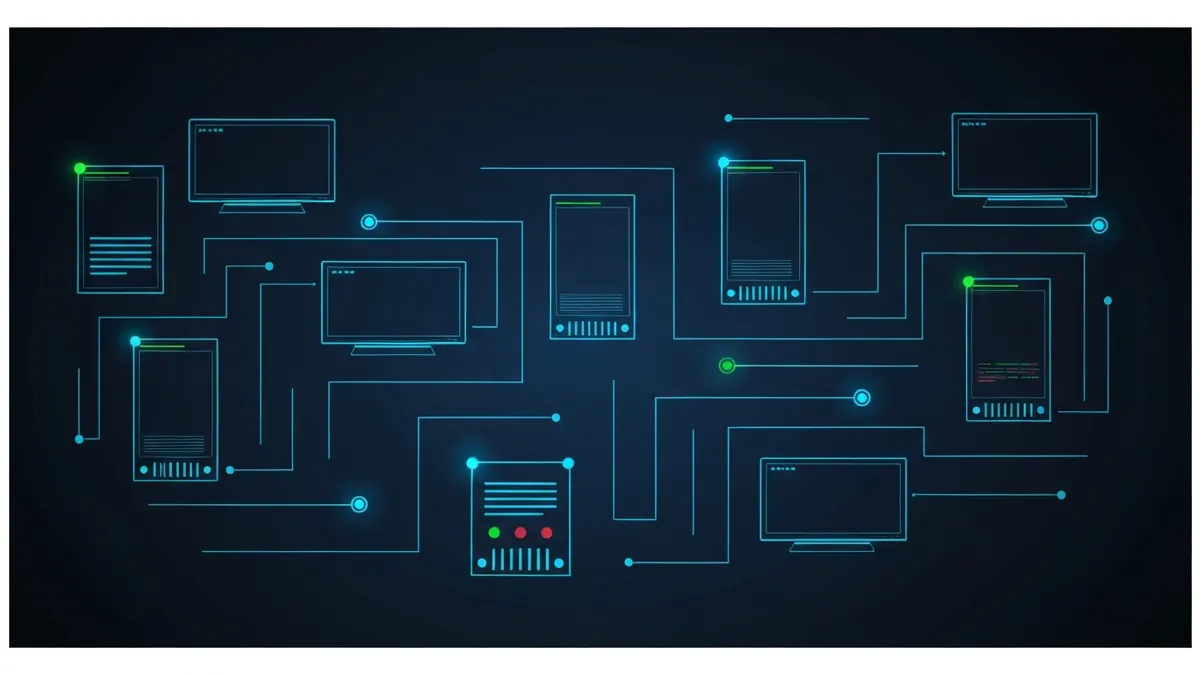
A botnet is a collection of internet-connected devices — computers, phones, routers, smart TVs, IoT devices — that have been infected with malware and are under the remote control of a single attacker (or group) known as a bot herder. The infected devices (bots or zombies) carry out commands without the owners' knowledge.
What Botnets Are Used For
- DDoS attacks — Flooding a target with traffic from thousands of devices simultaneously
- Spam campaigns — Sending billions of phishing or spam emails per day
- Credential stuffing — Testing leaked passwords against login pages at scale
- Cryptocurrency mining — Using victims' CPU/GPU to mine coins for the attacker
- Ransomware distribution — Spreading ransomware payloads to new targets
- Click fraud — Generating fake ad clicks to siphon advertising revenue
How Devices Get Infected
- Clicking malicious links or downloading infected files
- Unpatched routers and IoT devices with default credentials
- Drive-by downloads from compromised websites
- Pirated software bundled with trojans
Signs Your Device May Be in a Botnet
- Unusually high CPU or network usage when idle
- Device runs hot or fan is constantly loud
- Internet connection is noticeably slower
- Security software was disabled without your action
How to Protect Your Devices
- Keep all devices updated — including routers, smart TVs, and IoT gadgets
- Change default passwords on every networked device immediately after setup
- Disable services you do not use (remote management, UPnP)
- Use network monitoring to spot unexpected outbound connections
Common questions about What Is a Botnet
How do I know if my computer is part of a botnet?
Run a reputable malware scanner. Monitor your network traffic for unexpected outbound connections to unknown IP addresses. Check your router's connected devices list for anything unfamiliar. Tools like Malwarebytes or Windows Defender can detect most common botnet malware.
What is the largest botnet ever discovered?
The Mirai botnet (2016) infected over 600,000 IoT devices and was used to launch the largest DDoS attack recorded at the time, taking down major sites including Twitter, Netflix, and Reddit via a DNS provider attack.
Related: DDoS attack | Malware | IP Lookup