
What Is a Proxy Server?
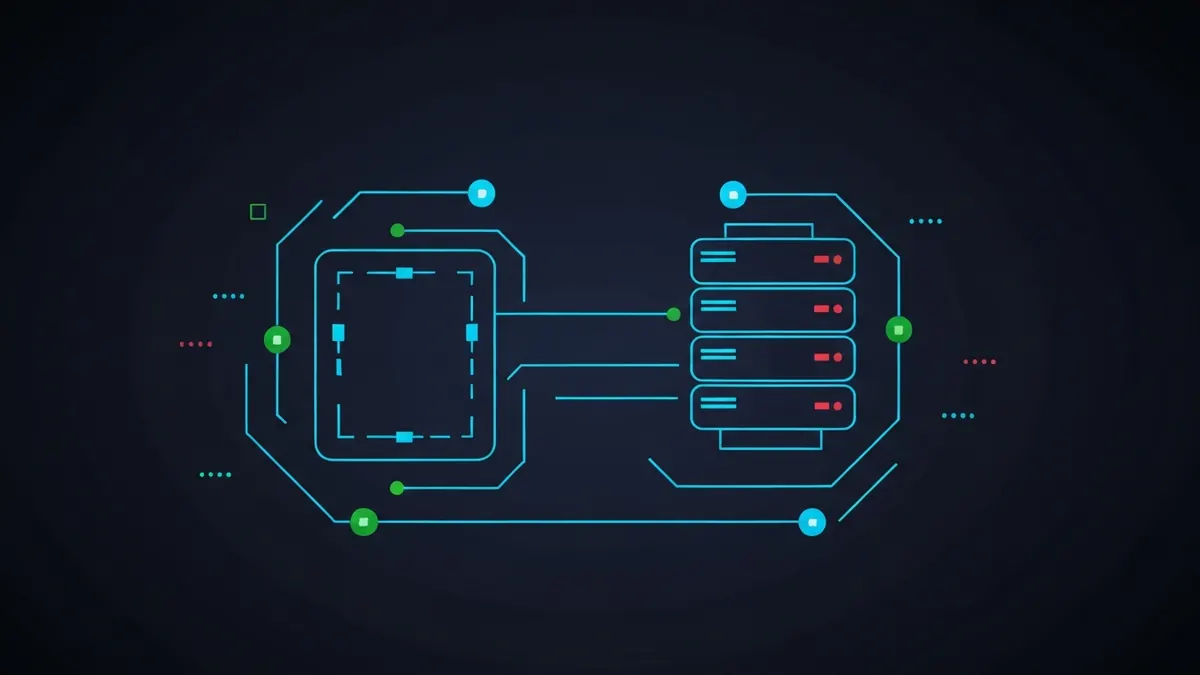
A proxy server is an intermediary that forwards your internet requests on your behalf. When you connect through a proxy, websites see the proxy's IP address instead of yours.
Types of Proxy Servers
| Type | Description | Anonymity |
|---|---|---|
| HTTP Proxy | Handles web (HTTP/S) traffic only | Low - Passes your IP in headers |
| SOCKS5 Proxy | Handles any TCP/UDP traffic | Medium - No header leakage |
| Transparent Proxy | Used by ISPs/businesses - You may not know it exists | None - Forwards your real IP |
| Elite Proxy | Hides that a proxy is being used at all | High |
| Reverse Proxy | Sits in front of a server, not client - Used for load balancing | N/A |
Proxy vs VPN
- Proxies typically work for specific apps or protocols - VPNs route all traffic at the OS level.
- Most proxies do not encrypt traffic - VPNs always encrypt the tunnel.
- Proxies are faster but less private; VPNs are slower but more secure.
How a Proxy Connection Works
Without a proxy, your browser connects straight to a website: the site's server logs your public IP and replies to it directly. With a proxy configured, your browser sends the request to the proxy server instead. The proxy opens its own connection to the website, fetches the response, and relays it back to you. From the website's perspective, the visitor is the proxy.
Forward vs reverse proxies
A forward proxy works for clients: you configure it on your device, and it represents you to the internet. A reverse proxy works for servers: a site like a large web service puts one (Nginx, a CDN, a load balancer) in front of its real servers to distribute traffic, cache content, and absorb attacks. Both are "proxies" in the protocol sense, but they solve opposite problems - One hides the client, the other shields the server.
What the proxy operator can see
Everything you send through a proxy passes through hardware someone else controls. For unencrypted HTTP traffic, the operator can read and modify the full content. For HTTPS traffic, the operator sees only the destination domain and timing - Unless you install their interception certificate, as many corporate proxies require. This is why a free, anonymous proxy from a random list is a privacy gamble: you are trading visibility from your ISP to an operator with unknown motives.
Common Legitimate Uses of Proxies
- Corporate content filtering and logging - Company traffic exits through a proxy that enforces policy.
- Caching - A proxy that stores frequently requested content can serve a whole office faster while cutting bandwidth use.
- Web scraping and testing - Developers rotate proxy IPs to test geo-specific behaviour of their own sites.
- Bypassing simple IP blocks or regional restrictions where the content provider permits it.
- Privacy layering - Routing one specific app through a SOCKS5 proxy while the rest of the system stays direct.
Residential vs data-centre proxies
Proxy services are usually sold in two tiers. Data-centre proxies run on hosting-provider IPs: cheap and fast, but trivially identified because the address ranges are publicly registered to cloud companies. Residential proxies route traffic through IPs belonging to real home connections, which makes them far harder to detect - And ethically murkier, since many are sourced from users who unknowingly joined a proxy network through bundled software or shady free apps.
How Proxy Detection Works
Websites and fraud-prevention systems actively detect proxies. They compare your IP against published lists of data-centre ranges, check whether the IP belongs to a hosting provider rather than a residential ISP, look for headers like X-Forwarded-For and Via that careless proxies add, and measure timing anomalies. This matters in practice: connections flagged as proxies face more CAPTCHAs, blocked checkouts, and login challenges. You can see whether your current address is flagged using the proxy check tool, and review what your connection sends with the HTTP headers checker.
Why What Is a Proxy Server matters
A proxy is the right tool when you need to change your apparent IP for one application and you trust the operator - Or when the operator is your own employer or your own server. It is the wrong tool for genuine privacy: most proxies do not encrypt your traffic, many leak identifying headers, and a free proxy's business model is often your data. If your goal is hiding your IP and securing traffic on untrusted networks, a VPN covers the whole device with encryption; the full trade-offs are covered in the VPN vs proxy comparison.
Questions about What Is a Proxy Server
Does a proxy hide my IP address?
From the websites you visit, yes - They see the proxy's IP instead of yours. But your ISP still sees that you connected to the proxy, the proxy operator sees your real IP, and transparent proxies forward your address in headers. A proxy relocates trust; it does not remove it.
Is using a proxy server legal?
In most countries, yes - Proxies are standard networking infrastructure used by businesses everywhere. What can be unlawful or against terms of service is what you do through one, such as circumventing licensing restrictions or committing fraud. A few countries restrict anonymisation tools generally.
Why is a website telling me I am using a proxy when I am not?
Your IP range is probably flagged. Mobile carriers and some ISPs route customers through carrier-grade NAT that resembles proxy infrastructure, and an address recycled from a hosting company keeps its data-centre reputation. Checking your IP against detection databases shows what the website sees.
Continue learning about What Is a Proxy Server
Technical sources for What Is A Proxy Server
The technical claims on this page are drawn from the primary specifications and vendor documentation below.
- RFC 9110 — HTTP Semantics (intermediaries) RFC Editor
- RFC 1928 — SOCKS Protocol Version 5 RFC Editor