
What Is an ASN (Autonomous System Number)?
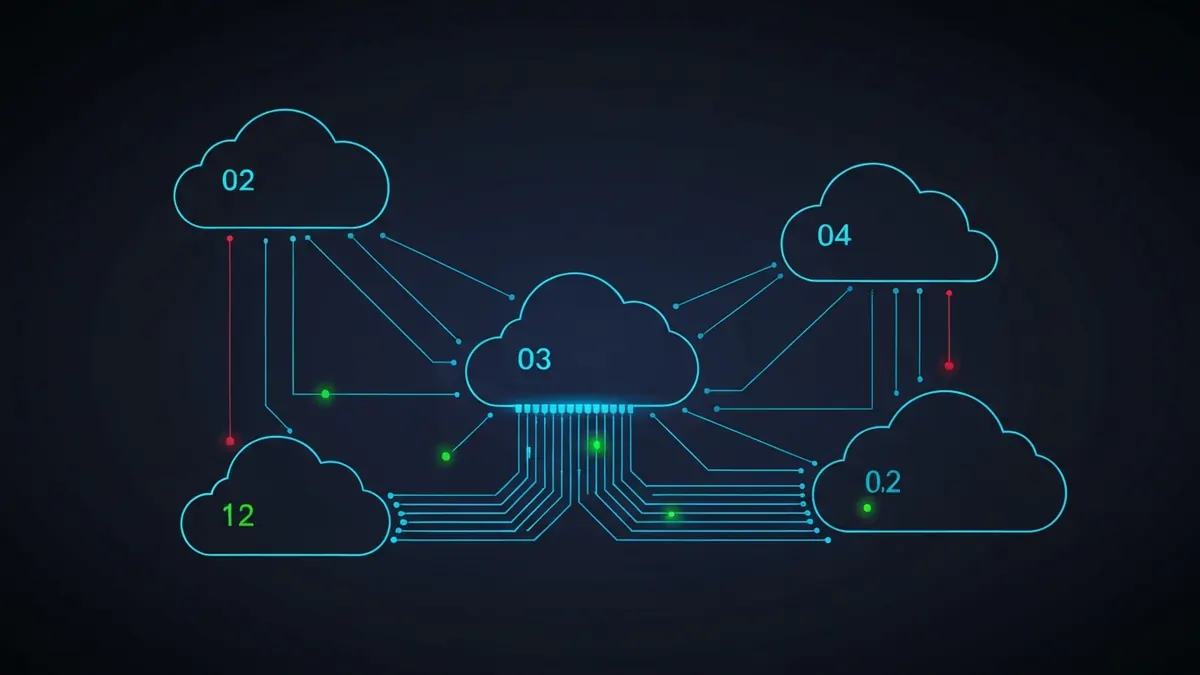
An Autonomous System Number (ASN) is a unique identifier assigned to a collection of IP networks under a single administrative entity - Typically an ISP, a large company, a university, or a content delivery network. ASNs are used by the Border Gateway Protocol (BGP) to route traffic between autonomous systems across the internet. You can look up any ASN to see which organization controls it and which IP prefixes it announces.
ASN Format and Ranges
| Type | Range | Total Available | Status |
|---|---|---|---|
| 16-bit ASN (original) | 1 – 65,535 | 65,535 | Mostly allocated; some reserved |
| 32-bit ASN (extended) | 65,536 – 4,294,967,295 | ~4.29 billion | Actively assigned since 2007 |
| Private ASN (16-bit) | 64,512 – 65,534 | 1,023 | Not routed on public internet |
| Private ASN (32-bit) | 4,200,000,000 – 4,294,967,294 | 94,967,295 | Not routed on public internet |
| Reserved / Special | 0, 65,535, 4,294,967,295 | 3 | Reserved by IANA |
Well-Known ASNs
| ASN | Organization | Notes |
|---|---|---|
| AS15169 | Google LLC | Google's primary network |
| AS32934 | Meta Platforms (Facebook) | Facebook's global infrastructure |
| AS13335 | Cloudflare, Inc. | CDN and DNS provider (1.1.1.1) |
| AS16509 | Amazon.com, Inc. (AWS) | Amazon Web Services |
| AS8075 | Microsoft Corporation | Azure and Microsoft services |
| AS7018 | AT&T Services, Inc. | Major US ISP |
| AS3356 | Lumen Technologies (CenturyLink) | Tier-1 backbone provider |
Why ASNs Matter for Privacy and Security
- Every public IP address belongs to an AS - Your ISP's ASN is visible to every server you connect to. See yours via our IP lookup tool.
- Websites and security tools use ASN data to detect VPN, proxy, datacenter, and residential IP traffic.
- ASN-level blocking is common: a site may block all IPs in an ASN known for hosting VPN servers - Run a blacklist check to see if your IP's ASN is flagged.
- Security researchers use ASN data to attribute attacks to specific organizations or hosting providers.
- BGP hijacking - Where a rogue AS falsely announces ownership of another AS's IP blocks - Is a real threat to routing integrity.
How BGP Uses ASNs to Route the Internet
The AS path
The Border Gateway Protocol (BGP, defined in RFC 4271) is how autonomous systems tell each other which IP prefixes they can reach. Every route announcement carries an AS path - The ordered list of ASNs the traffic will traverse. A route to a Google prefix might show a path like AS7018 → AS15169: your packets enter AT&T's network and hand off directly to Google. Routers prefer shorter AS paths, which is why networks build direct interconnections.
Peering vs transit
Two relationships connect autonomous systems. Transit means one AS pays another to carry its traffic to the whole internet - How smaller ISPs reach everywhere via Tier-1 backbones. Peering means two ASes exchange traffic between their own customers for free, often at internet exchange points (IXPs). The pattern of peering and transit relationships is, in a real sense, the commercial shape of the internet.
How to Find the ASN Behind Any IP
| Step | Action |
|---|---|
| 1 | Open the ASN lookup tool and enter the IP address or AS number |
| 2 | Read the result: the owning organization, the AS name, and the announced prefixes |
| 3 | For your own connection, use the IP lookup tool - Your ISP's ASN appears alongside geolocation data |
| 4 | Cross-check ownership history and registration dates with a WHOIS lookup on the same IP |
More detail on what each lookup field means is in the free ASN lookup tool.
Who Can Get an ASN?
ASNs are issued by the five regional internet registries (ARIN, RIPE NCC, APNIC, LACNIC, AFRINIC). To qualify, an organization generally needs to be multi-homed - Connected to two or more other autonomous systems - And to have its own IP address space to announce. That is why ASNs belong to ISPs, cloud providers, universities, and large enterprises rather than individuals, although hobbyist networks with provider-independent address space do obtain them, particularly in the RIPE region.
Why What Is an ASN (Autonomous System Number) matters
You never configure an ASN, but one silently shapes your experience online. Websites classify you by it: an IP announced by a residential ISP's AS gets treated normally, while one from a hosting provider's AS may face CAPTCHAs, blocks, or streaming bans - The main reason datacenter VPNs and proxies get detected. When you evaluate a VPN, the provider's AS reputation directly affects how often you'll hit friction. And when something on the internet breaks regionally, an AS-level event (a bad BGP announcement, a backbone outage) is very often the cause.
ASN and network owner lookups are also available as a free JSON API for developers.
Questions about What Is an ASN (Autonomous System Number)
What does an ASN tell you about an IP address?
The ASN identifies the network that announces the IP - Typically an ISP, hosting company, or large enterprise. From it you can infer whether an address is residential, mobile, or datacenter, who to contact about abuse, and which organization is operationally responsible for the traffic.
Do home users have their own ASN?
No. Home connections live inside the ISP's autonomous system, so your traffic carries your ISP's ASN. Only organizations that run their own routing - Multi-homed networks with their own address space - Obtain ASNs from a regional internet registry.
What is BGP hijacking?
BGP hijacking is when an autonomous system announces IP prefixes it does not own, causing traffic for those addresses to flow into the wrong network - Enabling outages, interception, or spam. Defences include RPKI route origin validation, which lets routers verify that an AS is authorised to announce a prefix.
Continue learning about What Is an ASN (Autonomous System Number)
Technical sources for What Is An ASN
The technical claims on this page are drawn from the primary specifications and vendor documentation below.